The Importance of Cybersecurity Awareness Among Youth
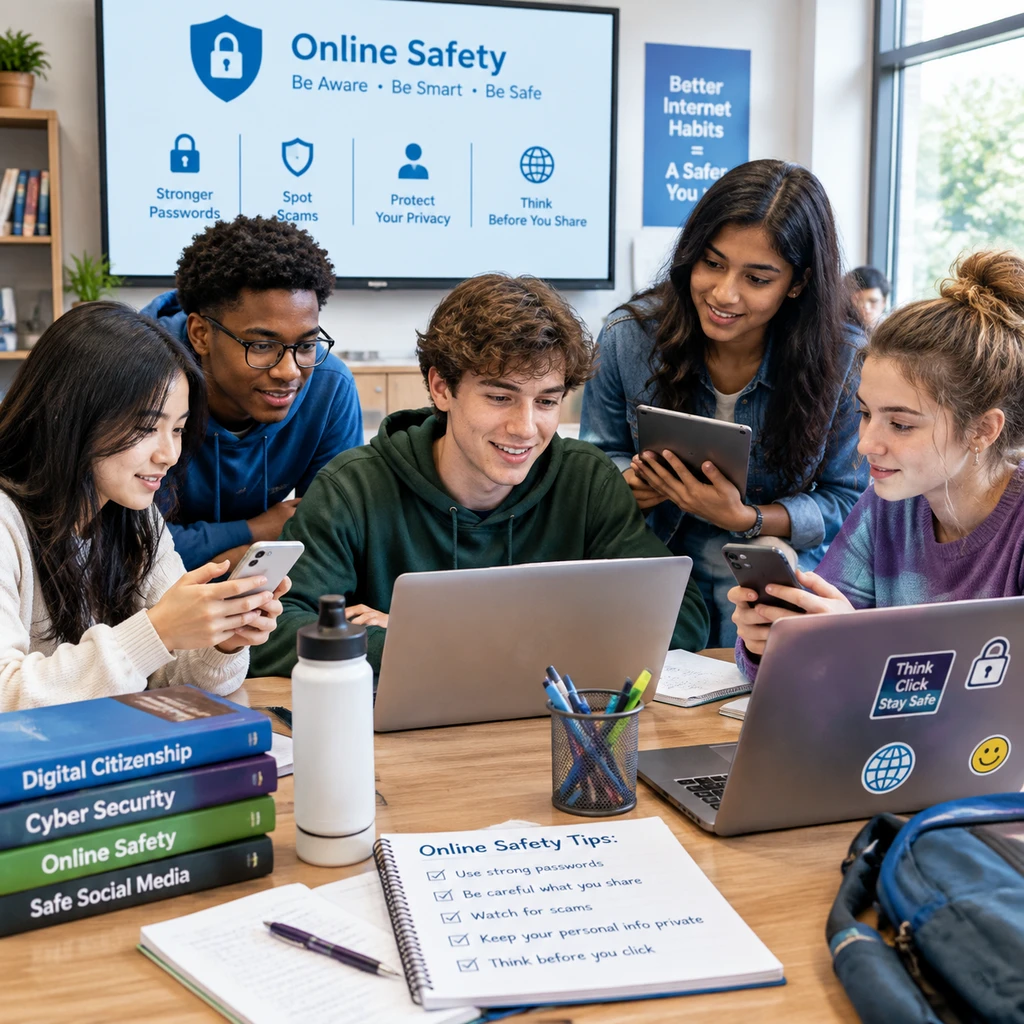
Young people use digital spaces to learn, communicate, create, and take part in their communities. Those activities can involve personal information, online accounts, and contact with strangers or automated services. Cybersecurity awareness helps youth recognize risks and make informed choices without treating the internet as something to fear.
Strong awareness is part of digital literacy and digital citizenship. It gives young people practical ways to protect privacy, respond to suspicious messages, and seek help when an online interaction becomes harmful. Responsibility is shared: youth need useful skills, while families, schools, platforms, and policymakers must help create safer digital environments.
Why cybersecurity awareness matters in young people’s digital lives
Cybersecurity awareness matters because everyday digital activities can expose accounts, devices, and personal information to misuse. Basic security knowledge helps young people take part online with greater confidence and control.
A student might use one device to join a class, message friends, post photos, play games, and manage an account. Each action can leave information behind or create a chance for someone to impersonate them. A compromised account may expose private conversations, disrupt schoolwork, or be used to target friends. Understanding these possibilities helps youth make better decisions before a problem arises.
Awareness also supports privacy and personal data rights. Young people should know that a photo, location tag, username, or school detail can reveal more than intended, especially when combined with other posts. They can then decide what to share, with whom, and through which settings.
This is not about placing the burden for online safety on children. Young people deserve both agency and support. Their security depends partly on choices they can make, and partly on whether services protect accounts, explain privacy settings clearly, and provide effective ways to report abuse.
Common online risks youth should recognize
Young people should recognize phishing and scams, account theft, privacy exposure, and harmful online interactions. Knowing common warning signs makes it easier to pause, verify, and ask for help.
Phishing and scams often arrive as emails, texts, direct messages, game offers, or fake login pages. A message may claim an account will be closed, promise a reward, or ask for a verification code. Pressure to act immediately is a reason to slow down. Young people can check the sender through a trusted channel rather than clicking a link or replying.
Account theft can begin with a guessed or reused password, a stolen sign-in code, or a convincing request to share credentials. Once inside, an attacker may change account details, impersonate the owner, or message their contacts. Privacy exposure can also happen through oversharing, public profiles, location details, or app permissions that collect more data than a young person expects.
Not every online risk is technical. Cyberbullying, harassment, unwanted contact, and pressure to share intimate or embarrassing material can affect wellbeing and safety. Young people should know they can save relevant evidence when safe, block or report an account, and tell a trusted adult. They are not to blame for someone else’s harmful conduct.
Essential cybersecurity habits for young people
Young people can improve their cybersecurity by securing accounts, keeping devices updated, checking privacy settings, and pausing before sharing information. A few repeatable habits are easier to use than complicated rules.
- Use unique passwords. Create a different, hard-to-guess password for each important account. A reputable password manager can help, if it is suitable for the young person’s age and family or school arrangements.
- Turn on multi-factor authentication (MFA). MFA adds another check at sign-in, such as an authenticator app or security key. Never share a one-time code, even with someone claiming to be support staff.
- Verify unexpected requests. Open the official app or type a known website address instead of following a surprising link. Check with the person through a separate channel if a message asks for money, a password, or private information.
- Review privacy and sharing settings. Check who can see posts, tag an account, find it by phone number, or access location data. Settings change, so review them periodically and after major app updates.
- Update and protect devices. Install operating-system and app updates, use a screen lock, and avoid installing software from unknown sources. On shared devices, sign out of accounts when finished.
These habits cannot prevent every incident. A trusted service may still be breached, and a privacy setting cannot control every screenshot or repost. Their value is in reducing avoidable exposure and helping young people respond sooner when something feels wrong.
Building awareness without limiting digital participation
Cybersecurity awareness supports safer digital participation when it builds judgment rather than fear. Young people can learn to explore, communicate, and create while recognizing boundaries and knowing where to turn for help.
Overly restrictive rules can keep youth from useful online spaces or discourage them from reporting mistakes. A better approach is to discuss realistic choices: what information belongs in a public post, how to handle a suspicious message, and what to do if an account is compromised. Adults should make clear that asking for help will not automatically lead to punishment or loss of access.
Digital citizenship connects security with respect for others. It includes protecting one’s own information, respecting other people’s privacy, and not forwarding harmful content. For instance, before reposting a screenshot, a young person can consider whether it reveals someone’s name, location, or private conversation.
Families and educators can invite youth to help shape household or classroom agreements. Ask what feels realistic, which apps they use, and what makes reporting uncomfortable. Rules work better when they reflect young people’s actual digital lives and leave room to revisit decisions as their skills and needs change.
The role of schools, families, and youth policy
Schools, families, and youth policy each have a role in cybersecurity education: young people need consistent guidance, safe ways to ask for help, and digital services designed with their rights in mind.
Schools can include cybersecurity in digital literacy lessons across subjects, not only in a one-off presentation. Students can practice identifying a suspicious message, discussing privacy settings, and reporting a harmful interaction. Staff also need clear procedures for responding to account compromise, cyberbullying, and data exposure without shaming the affected student.
Families can build trust through regular, calm conversations. Rather than asking only what a child has done wrong, adults can ask what online situations feel confusing or uncomfortable. Agree on a first response for problems: preserve evidence when appropriate, secure the account, report the content, and contact a trusted adult or service.
Youth digital policy should support age-appropriate education, accessible reporting channels, privacy protections, and meaningful youth participation. Platforms have responsibilities too: security defaults should be understandable, data collection should be limited, and safety tools should be easy to find. Guidance from organizations such as the U.S. Cybersecurity and Infrastructure Security Agency can help families and educators discuss core security practices, while local policies should reflect their community’s needs.
Making cybersecurity education relevant and accessible
Cybersecurity education is most useful when it connects familiar online situations to clear actions young people can practice. Lessons should be age-appropriate, inclusive, and easy to revisit as platforms and risks change.
Use examples from the kinds of services students actually encounter: a fake prize message in a game, a request for a login code in a group chat, or a photo that reveals a school location. Ask learners to identify the warning sign, choose a safe next step, and name someone they could contact. Practice builds recall more effectively than a list of abstract threats.
Accessible teaching also accounts for different reading levels, languages, disabilities, and levels of device access. Offer several ways to learn, such as short demonstrations, discussion, and printable guidance. Avoid assuming that every young person has a private device, a supportive adult at home, or the same level of experience online.
Finally, invite youth to evaluate the guidance itself. Ask which advice is practical, where reporting systems fail, and what changes would make privacy settings clearer. This feedback can help schools and policymakers improve digital literacy programs and strengthen youth digital policy. The goal is to give young people useful choices while ensuring institutions share responsibility for their safety.
Frequently asked questions
What does cybersecurity awareness mean for young people?
It means understanding common online risks and knowing practical ways to protect accounts, devices, privacy, and other people’s information. It also includes knowing when and how to seek help.
What online threats should youth know about?
Key risks include phishing and scams, account theft, unwanted data exposure, cyberbullying, harassment, and pressure to share personal or intimate content. Threats vary by service and situation, so young people need habits for assessing unfamiliar requests.
How can young people protect their accounts and personal information?
Use unique passwords, enable multi-factor authentication, never share sign-in codes, install updates, and review privacy settings. Pause before clicking unexpected links or posting information that could reveal identity, location, or routine.
What role should schools and families play in cybersecurity education?
Schools can teach practical digital literacy and establish clear response procedures. Families can keep communication open and help youth respond without blame. Both should listen to young people, while platforms and policymakers provide safer services and effective protections.