Best Licensed Online Casinos in the EU in 2026: How to Choose a Safe and Trusted Platform
I've been navigating the online gambling space for years, and I can tell you — the landscape looks nothing like it did even a couple of years ago. The European online casino market in 2026 is bigger, more competitive, and honestly more overwhelming than I expected it to get. Thousands of platforms are competing for your attention, and not all of them deserve it. Finding the best licensed online casinos in the EU isn't just about chasing the fattest welcome bonus anymore. It's about knowing your money is protected, the games are actually fair, and that someone with real authority has your back when things go sideways.
What Makes an Online Casino 'Licensed' in the EU?
When I say 'licensed,' I mean a platform operating under direct oversight from a recognized government or regulatory body. In the EU, that means the casino has cleared serious background checks, financial audits, and technical reviews — all to prove its games are fair and its books are clean.
An unregulated platform answers to nobody. If they decide to hold your winnings — or just ghost you entirely — there's no authority you can escalate to. Licensed casinos are legally bound to protect your funds, keep your personal data secure, and make sure every spin or card flip runs through certified Random Number Generators (RNG). That's not marketing copy. It's a legal requirement.
Key EU Gambling Regulators to Know in 2026
Not all licenses carry the same weight — and this is where a lot of players get tripped up. Here are the regulators actually worth knowing:
- Malta Gaming Authority (MGA): The gold standard inside the EU. An MGA license means strict player protection, mandatory responsible gambling tools, and segregated player funds. If a casino has this, it's already cleared a serious bar.
- Gibraltar Regulatory Authority: Highly respected and genuinely selective. Gibraltar doesn't hand out licenses easily — only established, financially stable operators make the cut.
- National Regulators: Many EU countries now run their own dedicated bodies — Poland's Department of Games, Sweden's Spelinspektionen, and others. These offer the most localized protection for players in those specific markets.
- Curaçao eGaming: Popular, and historically easier for operators to obtain. But a Curaçao license offers less direct intervention for player disputes compared to the MGA. Their framework has improved heading into 2026, but it's still a step down in terms of player protections — worth knowing before you deposit.
Why Choosing a Licensed Casino Matters More Than Ever in 2026
I get it — this can feel like a lot of caution wrapped around something that's supposed to be fun. But the risks of playing on an unlicensed site are real, and they've gotten worse. Cyber threats have evolved fast. The horror stories I've come across — players hitting a massive jackpot only to find their accounts banned the moment they request a withdrawal — aren't rare edge cases anymore. They're happening more often than most people realize.
Data breaches are a genuine concern too. Unlicensed casinos rarely invest in serious encryption, which leaves your banking details and personal identity exposed. And in 2026, the EU has tightened the screws significantly on illegal operators — member states are actively hunting them down. Playing on a licensed site means you're protected by actual law, not just a casino's hollow promises.
How to Verify If an Online Casino Is Truly Safe
I don't register at any new casino before running it through my own quick safety check. It's faster than most people think — and it's saved me from some genuinely sketchy platforms over the years.
Start at the very bottom of the homepage. You should see the licensing authority's logo — MGA, for example — alongside a specific license number. Don't just take the logo at face value. Click it. A legitimate site links directly to the regulator's official register, so you can confirm the license is active right then and there. Then check the URL bar for a padlock icon — that tells you the site uses SSL encryption. Finally, I always scan for third-party audit certificates from agencies like eCOGRA or iTech Labs. They independently verify that the games' Return to Player (RTP) percentages are accurate and haven't been tampered with.
Red Flags That Signal an Unlicensed or Risky Platform
If you spot any of these, close the tab:
- Missing License Information: An empty footer or an unverifiable license number is a serious warning sign. The site is likely operating illegally.
- Unclear Ownership: A legitimate casino tells you exactly who owns it and where they're registered. Vague or missing company info is a red flag — full stop.
- No Responsible Gambling Tools: Unlicensed sites have no interest in your well-being. If there's no deposit limit or self-exclusion option anywhere on the site, that tells you everything you need to know.
- Fake Player Reviews: If every review sounds identical and suspiciously glowing, they're probably fabricated. Real reviews have complaints, nuance, and the occasional grammatical mess.
Top Criteria for Picking the Best Licensed EU Casino in 2026
Once you've confirmed a casino is safe, the question becomes: how do you pick the right one? I use a few core criteria. Game variety is the first thing I check — I want a solid selection from certified providers like NetEnt, Play'n GO, and Evolution Gaming. A bloated library stuffed with knock-off titles from obscure studios isn't a selling point; it's a distraction.
Customer support is a dealbreaker for me. I expect 24/7 live chat staffed by actual humans, not scripted AI responses that loop you in circles. Bonus terms matter too — fair wagering requirements, clearly stated, without buried clauses designed to trap you. And in 2026, mobile compatibility isn't optional. If the site doesn't run cleanly on my phone, I'm moving on.
Running through all of this manually on every platform takes real time. That's why I rely on pre-vetted comparison resources to cut through the noise. If you're looking for a trusted, licensed option built for the EU market, kasynopelican.pl is worth bookmarking — especially if you're a Polish-speaking player trying to make sense of regional regulations without spending hours doing the background research yourself.
Responsible Gambling Features Every Licensed Casino Must Offer
One of the fastest ways I gauge a casino's legitimacy is by going straight to its responsible gambling section. In the EU, licensed operators aren't just encouraged to offer these tools — they're legally required to provide them.
When you log into a properly licensed casino in 2026, you should be able to set daily, weekly, or monthly deposit limits without any friction. There should also be 'reality checks' — timed pop-ups that remind you how long you've been playing. And there must be a working self-exclusion feature that lets you lock yourself out for a set period, no questions asked. Serious platforms also display visible links to support organizations like GamCare, BeGambleAware, or Jugadores Anónimos. If any of that is missing or buried three menus deep, treat it as a warning.
Payment Methods and Withdrawal Safety at Licensed EU Casinos
A casino's payment setup says a lot about its legitimacy. Licensed platforms partner with established financial institutions, so you'll typically find Visa, Mastercard, Trustly, PayPal, and various EU-specific e-wallets in the cashier. That's not an accident — regulators require it.
Because they're regulated, these casinos also have to comply with strict Anti-Money Laundering (AML) rules. That's why KYC verification — submitting your ID and proof of address — is required before your first withdrawal. I know it feels like extra admin, but I genuinely see it as a good sign. It means the casino is legally compliant and not a front for something worse. Licensed platforms also have to be transparent about withdrawal timeframes, so you won't be left guessing when your money is actually coming.
Final Checklist — How to Choose Your Safe Casino in 2026
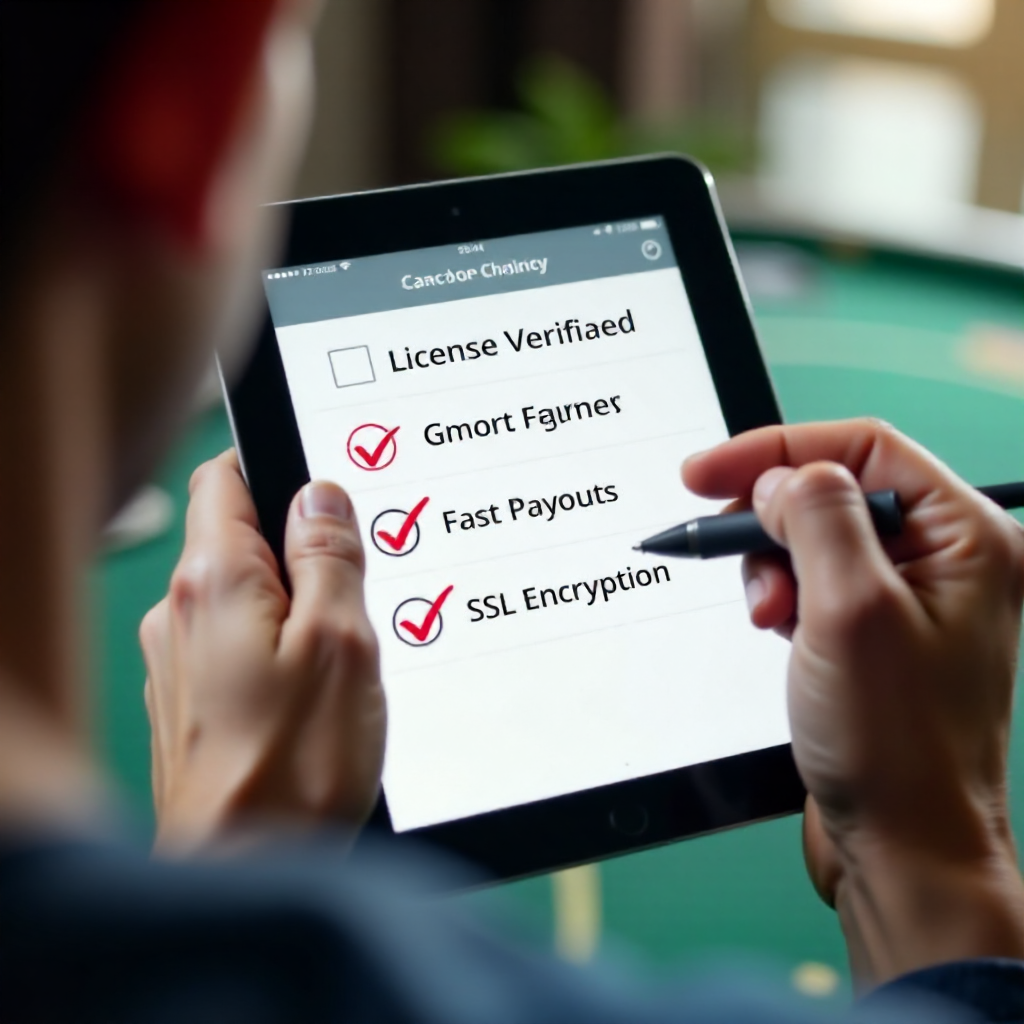
Here's the checklist I run through before signing up anywhere. Keep it handy:
- Verify the License: Check the footer for an MGA, UKGC, or local EU national regulator license — then click through to confirm it's active.
- Check Security Protocols: Make sure the site runs on active SSL encryption. The padlock in the URL bar is your quick confirmation.
- Read the Terms and Conditions: Withdrawal policies and bonus wagering requirements should be transparent, specific, and fair — not buried in fine print.
- Test Customer Support: Fire off a message to live chat before you deposit. How fast they respond — and how useful that response actually is — tells you a lot about how they'll treat you later.
- Look for Responsible Gaming Tools: Deposit limits and self-exclusion should be easy to find in your account settings, not hidden in a sub-menu nobody checks.
- Confirm Payment Methods: The cashier should offer secure, recognized options that actually work in your EU country.
Stick to this checklist, lean on trusted comparison resources, and you'll navigate the 2026 EU online casino market without getting burned. Play smart, stay within your limits, and treat it for what it is — entertainment.